Rakia Countries
Eleven regions, one continuous rakia-making story stretching back thousands of years. Pick a country to explore its native fruits and traditions.
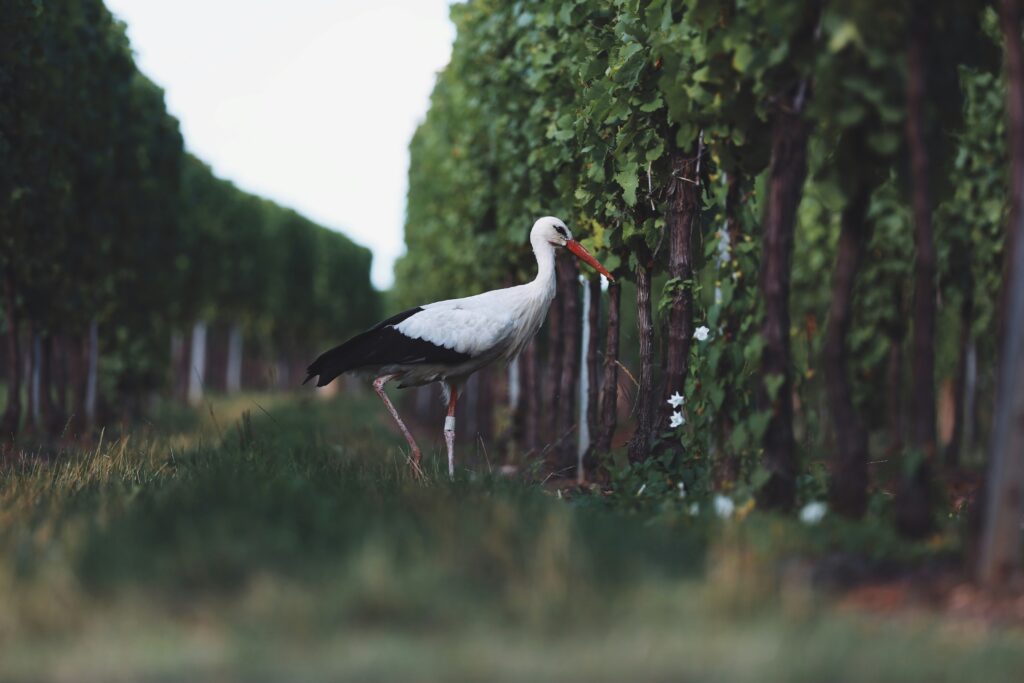
Rakia is the national aperitif here, drunk before and during the meal rather than after — twice-distilled, and centred on a system of EU-protected regional grape and plum styles.

Tsipouro and tsikoudia are Greece’s pomace brandies, distilled from monastic Mount Athos tradition — kept firmly apart from ouzo, which is something else entirely.


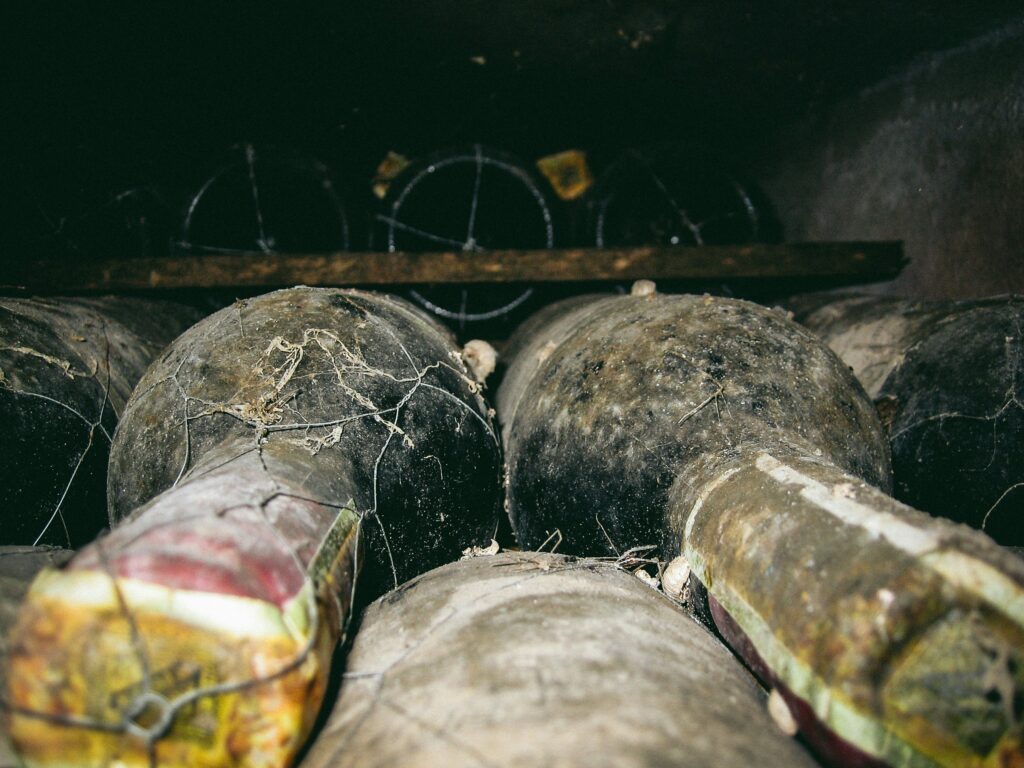
Chacha takes its name from the pomace itself — the leftover marc of qvevri winemaking, distilled into a spirit found at every household table and every supra.

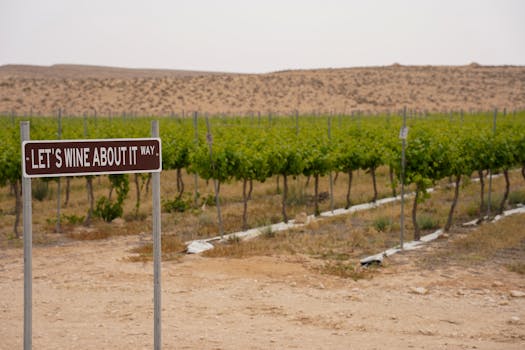
Zivania is made by a method found nowhere else in the region — pomace blended with dry wine before distillation — giving a cleaner result than most pomace brandies.


Armenia’s famous export spirit is brandy, not rakia — the real cognate, oghi, is an almost entirely homemade mulberry, apricot and grape tradition found through villages, not shops.

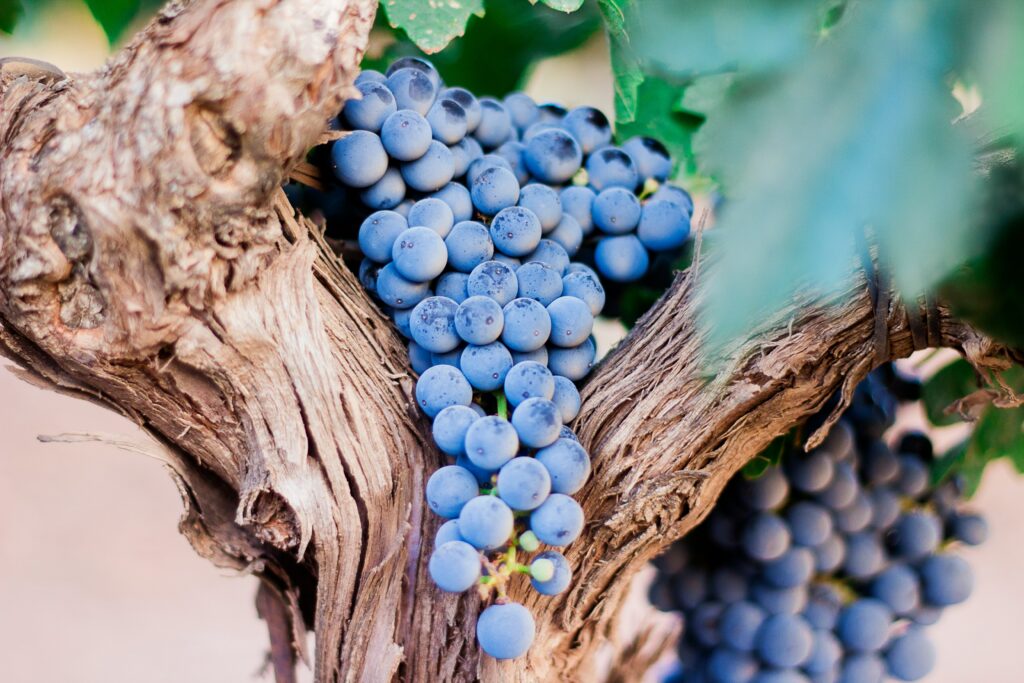
Rakija here runs on the same Vranec and Smederevka pomace that feeds Tikveš’s wine industry — with oak-aged žolta rakija the premium gift category.

Montenegro’s rakija splits geographically like its wine — grape loza on the coast, plum in the northern highlands — with production still dominated by one large coastal producer.

Raki is Albania’s hand-to-heart welcome drink — pure fruit and nothing else, with Skrapar grape raki and Përmet mulberry raki the two names to know.


Romania grows more plums than anywhere else in the EU, and turns most of the crop into țuică and pălincă under Europe’s most detailed spirit-labelling system in the region.

Šljivovica is Serbia’s national drink and the only rakija-family product with UNESCO Intangible Cultural Heritage recognition — for the tradition of making it, not the spirit itself.

Croatia spans two rakija worlds in one country — coastal grape loza and herb-infused travarica on the Adriatic, plum šljivovica inland — with the region’s widest range of styles.

Join Our Rakia Journey
Discover and indulge in exceptional rakia selections curated for true enthusiasts.